How to tell if a fixer-upper is worth the risk

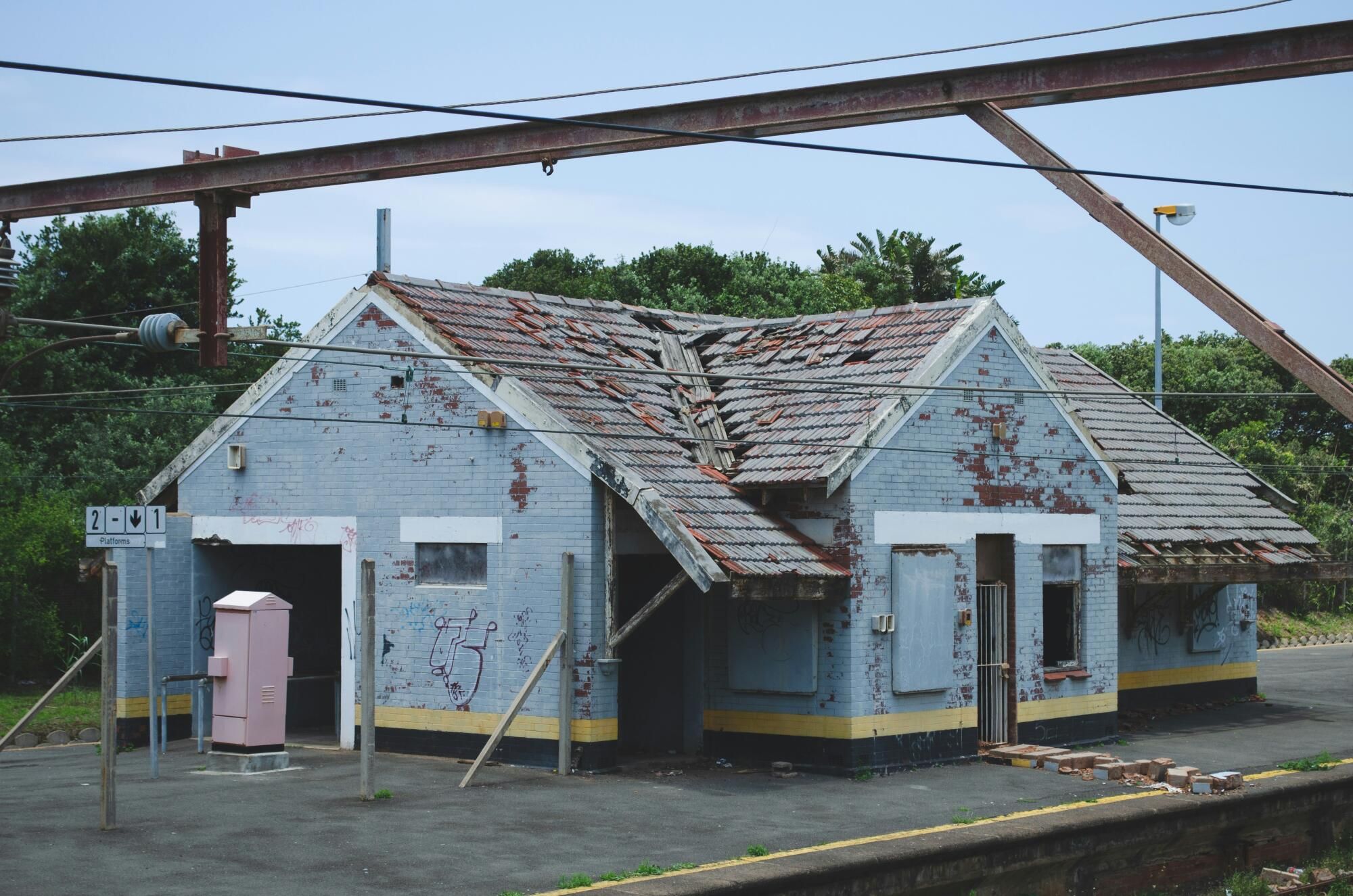
A fixer-upper can be a good buy if its market value after renovation will be higher than all expenses. Begin by researching recent sale prices in the area and conducting an examination of the property. Do not invest if estimates leave no room for error.
According to the National Association of Realtors, Americans spent about $603 billion on home remodeling projects in 2024. There are chances for earning, but labor and materials expenses can reduce profit.
Calculate Value After Renovation of a Fixer-Upper
Calculate the value of the property after renovations based on recent sale prices of similar houses nearby. They should be similar in size with the same number of bedrooms and bathrooms. An agent or an appraiser can help you avoid an illusion about the sale price of the property.
Calculate taxes and insurance for the time of holding the property. Also take into account the cost of utilities and selling costs. This amount of money will decrease the cash flow from a sale.
Some loans for fix-and-flip investment properties may have different terms than standard mortgage loans. Investors can review options through FasterFunds Lending while comparing the full cost of each offer. When comparing lenders for flipping houses, it is better to focus on the interest rate and total fees rather than only the payment itself.
Inspect Expensive Components First
A new coat of paint can cover the stains, but it will not repair a damaged roof or foundation. Hire a professional inspector who will check the structure and major systems. Call specialists if the inspector detects problems with water leaks or an unsafe electrical system.
An old fixer-upper home can have materials that require some special measures. The Environmental Protection Agency says that houses built before 1978 are more likely to contain lead paint.
Research the Neighborhood and Buyer Demand
You can renovate a house, but you cannot change its street. Visit the neighborhood during the day and at night. Pay attention to the traffic and condition of nearby houses. Then check the time needed to sell similar houses.
Select the type of renovations that fit the buyer’s demands in the area. A luxurious kitchen can increase the value too much in an ordinary area. Renovations for investment property are not necessarily luxurious, but practical.
Create a Realistic Timeline and Exit Strategy
Ask contractors about their availability and the time required to complete the work. Permit review and delays in material delivery can make it longer. Each extra month can mean additional expenses on loans and holding.
Include a reserve for surprises when preparing a budget. Your plan will be sustainable if the work takes longer or the property is sold later than you expected.
Decide prior to purchasing whether you will sell or rent the home. Flipping depends on a timely sale, but renting requires enough income to cover all expenses. Make sure that you are able to do one of the two if your initial plan fails.
Choose a Property With Room for Error
The cheapest property does not always become a good investment. The best deal is the one that has clearly defined repair needs and buyer demand. Avoid investing in such a project that needs to be done perfectly.
A careful purchase of the fixer-upper transforms hope into facts. Continue browsing our website for the news and ideas that can help your next investment.