FDA Removes Red Dye No. 3 from U.S. Food and Medications
FDA Removes Red Dye No. 3 from U.S. Food and Medications
The U.S. Food and Drug Administration (FDA) has officially banned red dye No. 3 from use in food, beverages, and ingested medications, following over 30 years of research linking the synthetic colorant to cancer in animals. This historic decision comes after years of advocacy by public health groups and mounting pressure from scientific studies.
Red dye No. 3, chemically known as erythrosine, is made from petroleum and commonly used to add vibrant red and pink hues to a range of consumer products, including candy and drinks.
The FDA’s decision follows a 2022 petition filed by advocacy organizations, including the Center for Science in the Public Interest and the Environmental Working Group, citing concerns about cancer risks.
It also aligns with California’s ban on the dye in 2023.
Manufacturers have until January 15, 2027, to remove red dye No. 3 from food and January 18, 2028, to eliminate it from ingested drugs. All imported products must meet these new regulations as well.
“This ban is a major step toward ensuring public health,” said Ken Cook, president of the Environmental Working Group. “It represents a victory for consumers after years of fighting to remove harmful chemicals from our food.”
Source: Bohdan Bevz / Getty
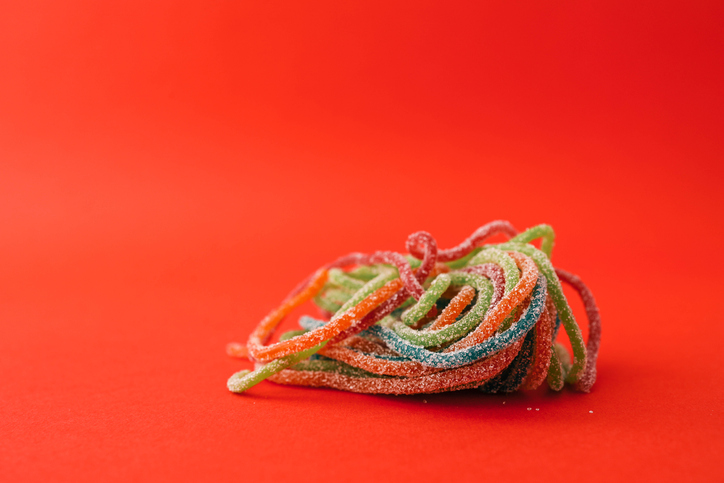
While the ban is a significant victory for public health, many companies had already taken action. Ferrara, the maker of Brach’s candies, began phasing out red dye No. 3 in 2023, and fewer than 10% of its products still contain the additive. Similarly, Just Born, the company behind PEEPS, stopped using red dye No. 3 after Easter 2024.
Instead of red dye No. 3, many food manufacturers are turning to red dye No. 40, a colorant with a less controversial safety record. However, red dye No. 40 has its own concerns, with some studies linking it to potential behavioral issues in children, particularly related to ADHD.

Source: Photography By Teri A. Virbickis / Getty
The FDA’s decision to remove red dye No. 3 from food and drugs comes decades after scientific studies first raised concerns about its cancer-causing potential in animals.
Under the Delaney Clause, a part of the FDA’s Federal Food, Drug, and Cosmetic Act, any ingredient proven to cause cancer in animals should be banned.
However, red dye No. 3 remained in food products because the FDA determined that the levels of the dye typically consumed by humans were far lower than those shown to cause cancer in lab rats.
Although the FDA banned red dye No. 3 in cosmetics and topical drugs in 1990, the dye remained legal for use in food. Experts have long criticized the FDA for its slow action on this issue.
“This ban corrects a long-standing regulatory oversight,” said Dr. Jennifer Pomeranz, a public health policy expert at NYU’s School of Global Public Health. “There is no reason why it should have taken this long to remove a carcinogenic substance from our food supply.”
Global Context: A Step Toward Europe’s Standards
The FDA’s decision brings the U.S. closer to the European Union, which banned red dye No. 3 in food products back in 1994. The U.S., in contrast, had allowed the dye to remain in food despite the evidence of harm.
“There’s no logical reason the FDA waited this long to act,” said Dr. Pomeranz. “The precautionary approach taken by Europe should have been adopted here long ago.”
RELATED: The Science Behind Why We Crave Spicy and Sour Food
Source: Moment Capsule Photography / Getty