How cavity risk changes as children grow older
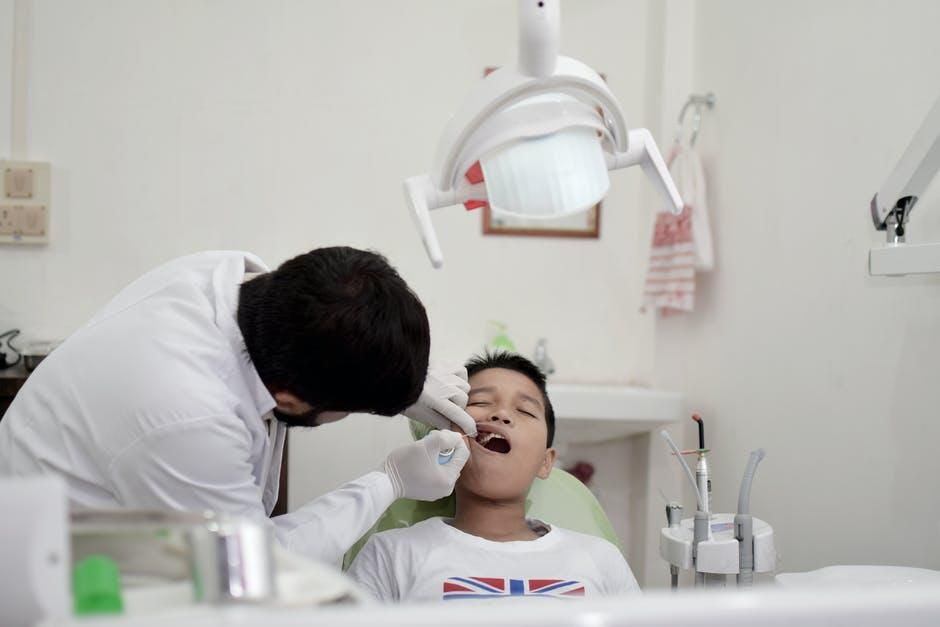
Tooth decay risk varies by age group because children at different ages have distinct teeth, dietary habits, and brushing skills. While younger children typically require help to brush their teeth, older ones start to experience new challenges related to permanent teeth. These factors may contribute to the higher possibility of tooth decay among particular groups of children.
As can be seen from the statistics, decay is fairly widespread among kids. According to the CDC 2024 children’s oral health surveillance report, half of kids aged 6-9 had a baby or permanent tooth affected by decay. It is crucial to identify the periods when decay risks change to ensure proper dental hygiene before a cavity appears.
Why Do Tooth Decay Risks Change Depending on Age?
Cavities form when bacteria create acids from sugars in foods and beverages. These acids erode the enamel of teeth, causing the appearance of cavities if this process repeats often.
Age is significant since the mouth structure keeps changing in the course of a person’s development. Baby teeth appear in childhood, and permanent teeth start to appear in the period of elementary school.
Tooth Decay Risks in Preschool Age
At this age, constant exposure to sugar becomes a problem. Between-meal drinks with sugar content cause the repeated erosion of the teeth with acids. Moreover, children of this age do not possess the necessary motor skills to brush their teeth properly without any additional assistance.
The use of fluoride becomes very important for tooth decay prevention. According to the National Institute of Dental and Craniofacial Research guidance, fluoride can replace minerals lost from the enamel, stopping the further process of decay. Parents can use fluoride toothpaste as a part of their dental care tips for kids.
Permanent Teeth Make Children Vulnerable to Cavity Risks
The first permanent molars typically emerge at six years of age. The surface of these teeth has small grooves where food and plaque accumulate. These teeth should be protected as they are designed to serve for a lifetime.
Routine dental checkups become especially useful to keep track of oral hygiene and to identify any possible issues before a child starts experiencing discomfort. Families interested in age-focused treatment may consult a kids dentist in Beaumont as the first permanent teeth begin to emerge. The dentist will detect any vulnerable spots on the teeth.
Why Tooth Decay in Teenagers Becomes More Widespread
Teens typically gain the freedom to brush their teeth independently. This is generally good, but when they are busy, teens may brush their teeth hastily. In addition, teenagers’ frequent snacking and consuming sweet beverages keep their teeth constantly exposed to sugar.
Statistics demonstrate that tooth decay remains an important problem in adolescence. According to the NIH, about 10 percent of teens from 12 to 19 have at least one untreated cavity in permanent teeth.
Age-Specific Habits Must Be Developed
Brushing routine must change along with age. Parents can switch from performing the task themselves to checking if the child brushes their teeth correctly. Moreover, teenagers can learn why it is important to brush their teeth every day.
The most important thing is that tooth decay risks do not decrease with the emergence of new teeth. Preventing tooth decay requires consistent effort as children develop new habits and teeth.
Explore more of our website for the newest trending topics and news.





